
Designing a Home That Feels Grounded
As the seasons change and life feels busier, home should be the place that restores your balance, a sanctuary that helps you feel grounded, calm, and connected. A well-designed space can do far more than simply look beautiful; it can support your emotional wellbeing, helping you slow down, breathe, and reconnect with what matters most.
Why Calm Design Matters
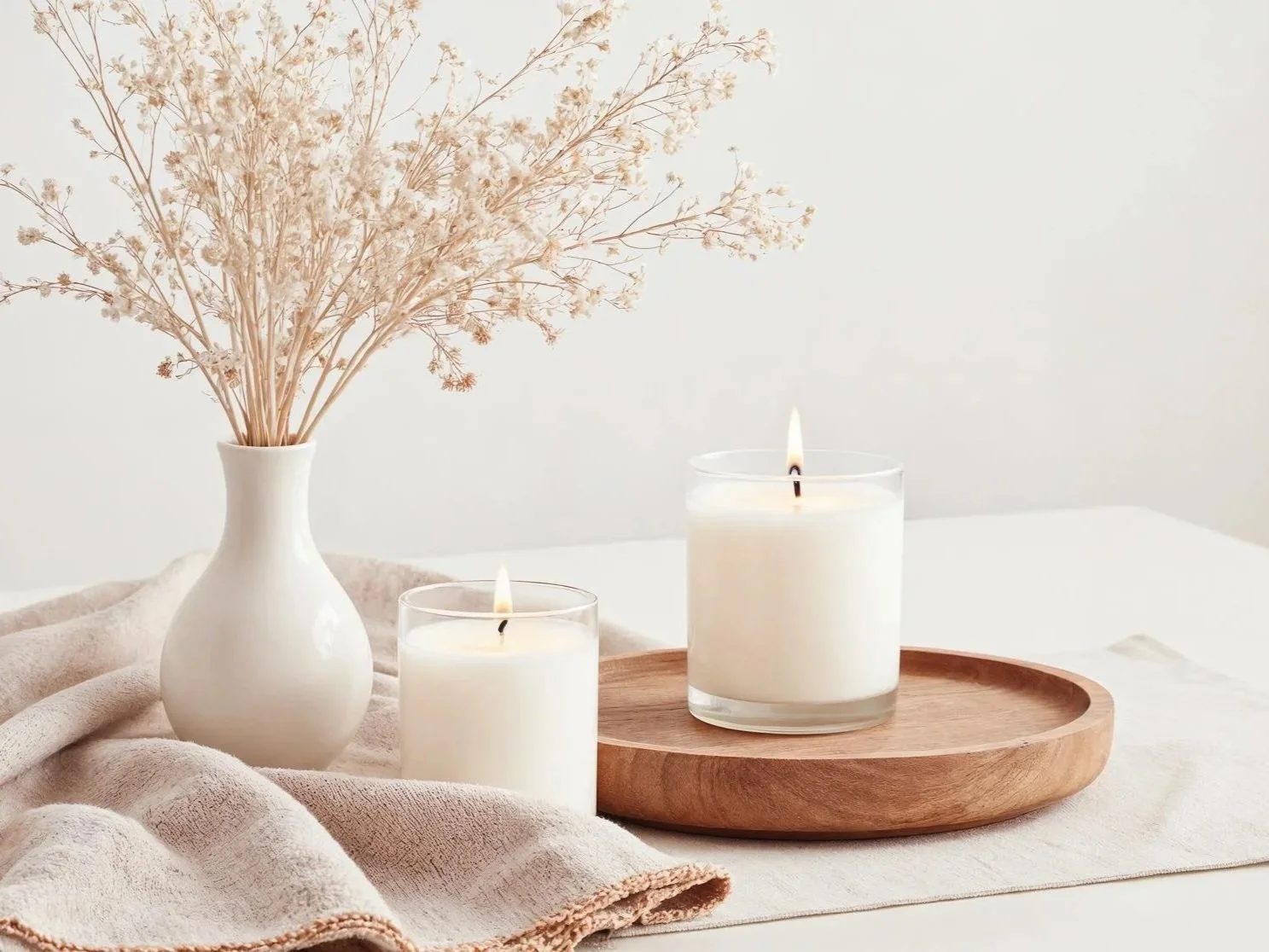
Our surroundings have a powerful influence on how we feel. Clutter, harsh lighting, or overly stimulating colours can heighten stress without us even realising it. In contrast, a calm and balanced home gently regulates our mood. It creates a sense of safety and stability that lets us recharge after a busy day.
When you walk into a space that feels grounded, your body instantly responds — heart rate steadies, breathing slows, and tension releases. This is the essence of biophilic and mindful design: creating harmony between people, place, and nature.
Designing with Intention
A grounded home doesn’t happen by accident; it’s created through thoughtful choices. Start by considering how you want your home to feel, not just how you want it to look. Ask yourself:
What colours make me feel calm and centred?
Where does natural light fall, and how can I make the most of it?
Which materials bring me comfort (soft linen, warm wood, smooth stone)?
These questions form the foundation for intentional design — spaces that support your lifestyle, rhythms, and emotions.
Elements That Create a Grounded Space
1. Natural Materials
Wood, clay, linen, rattan, and wool instantly bring warmth and texture. These materials have an organic irregularity that helps us feel connected to nature and adds character without overwhelming the senses.
2. Earth-Inspired Colours
Soft neutrals, clay tones, moss greens, and muted browns evoke a sense of calm and permanence. They work beautifully with natural light and transition seamlessly through the seasons.
3. Layered Lighting
Balance is key. Use a mix of ambient, task, and accent lighting to create flexibility throughout the day. Warm, dimmable lights can help you wind down in the evening, mirroring the natural rhythm of sunlight.
4. Simplicity and Space to Breathe
Choose fewer, more meaningful pieces. Allow negative space around furniture and artwork. It lets the eye rest and brings clarity to your surroundings.
5. A Connection to Nature
Bring the outside in through plants, natural textures, and views to greenery where possible. Even a simple branch in a vase or a bowl of stones from a favourite walk can spark a sense of connection and calm.
Balancing Aesthetics and Emotion
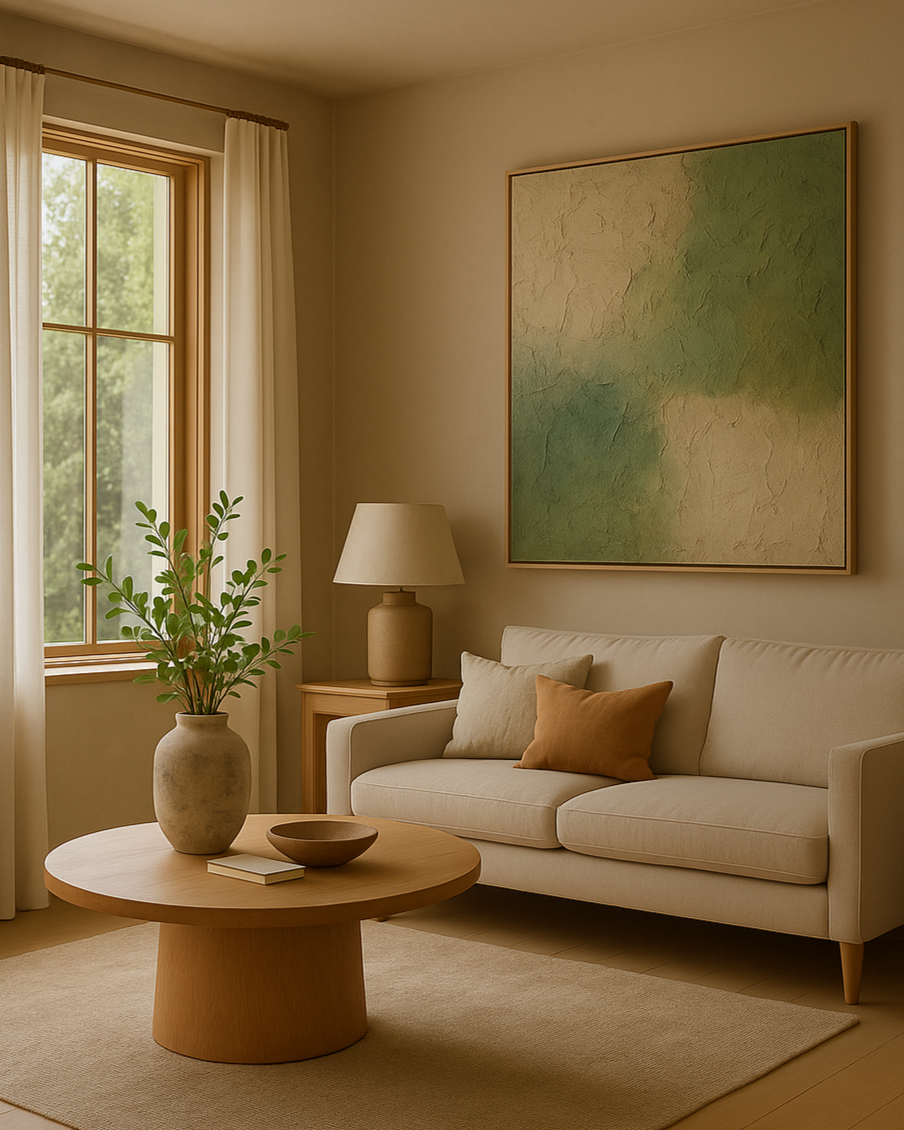
A truly grounded home balances aesthetics with feeling. It’s not about perfection; it’s about resonance. The goal is to create rooms that feel lived-in yet intentional, where you can move, breathe, and simply be.
As designers, we often focus on light, proportion, and flow, but emotional design is just as important. Spaces that support calmness tend to age well, because they are built on timeless principles of balance, authenticity, and care.
As the Seasons Shift
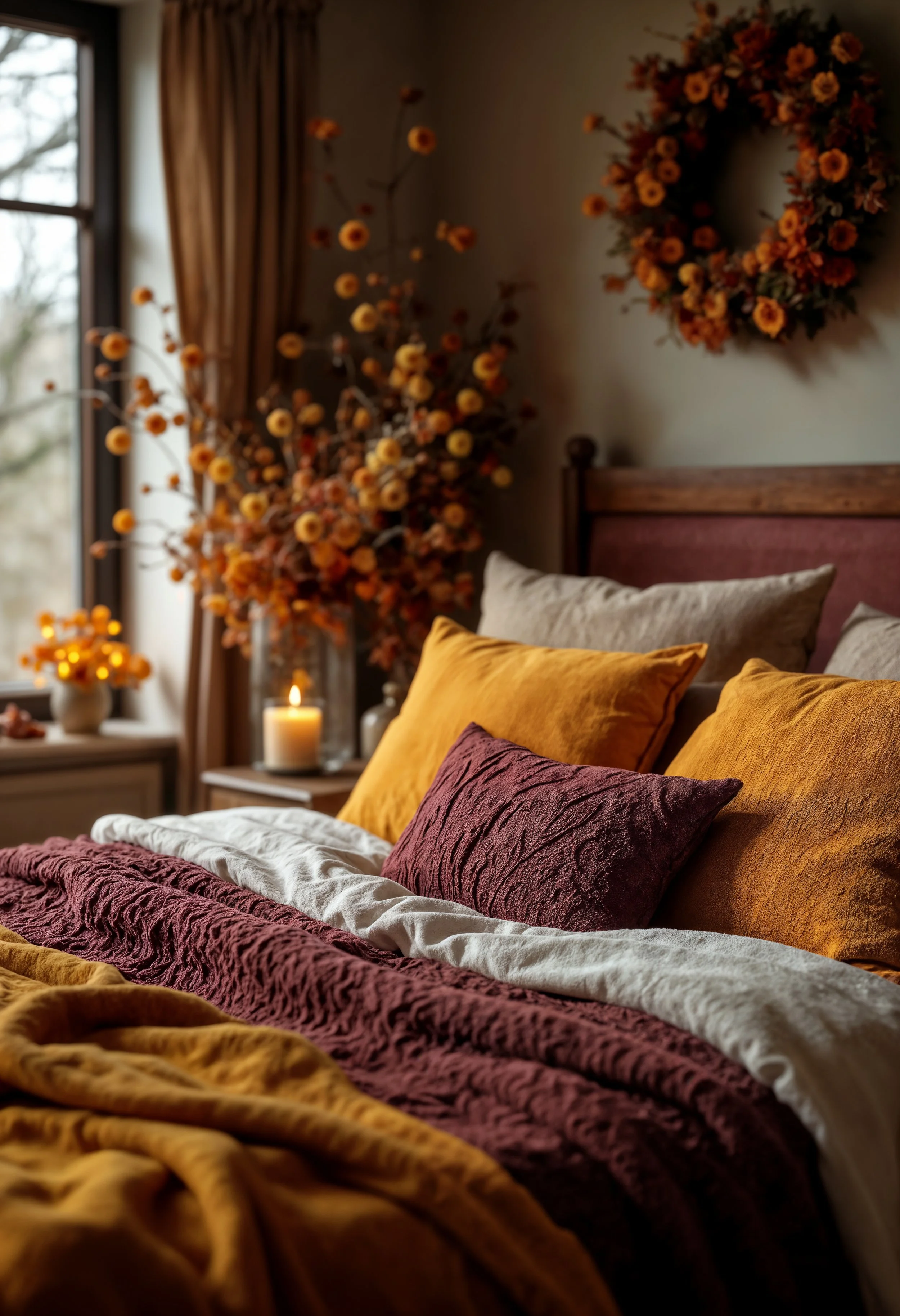
Autumn and winter naturally draw us indoors. This is the perfect time to reassess your environment. To swap lighter textures for warmer ones, introduce deeper tones, and rethink lighting for shorter days. Small changes, like a textured rug underfoot or soft ambient lamps, can transform how grounded your home feels.
Final Thoughts
When design is approached with purpose, your home becomes more than a backdrop — it becomes a source of wellbeing. A grounded home reminds us to slow down, live intentionally, and reconnect with ourselves and the natural world around us.
If you’d like help creating a home that feels both luxurious, grounded and a sanctuary, [get in touch with me here].