
How to Rethink a Room Layout for Better Flow in the New Year
The start of a new year often brings the urge to refresh our homes. Many people assume this means buying new furniture or redecorating from scratch, but some of the most powerful changes come from something far simpler: rethinking how a room is laid out.
A well-considered layout can completely change how a space feels and functions, without spending anything at all. It can improve flow, make a room feel calmer, and help it work better for real, everyday life.
Here’s how to step back and rethink your room layout in a way that feels intentional, balanced, and supportive of how you actually live.
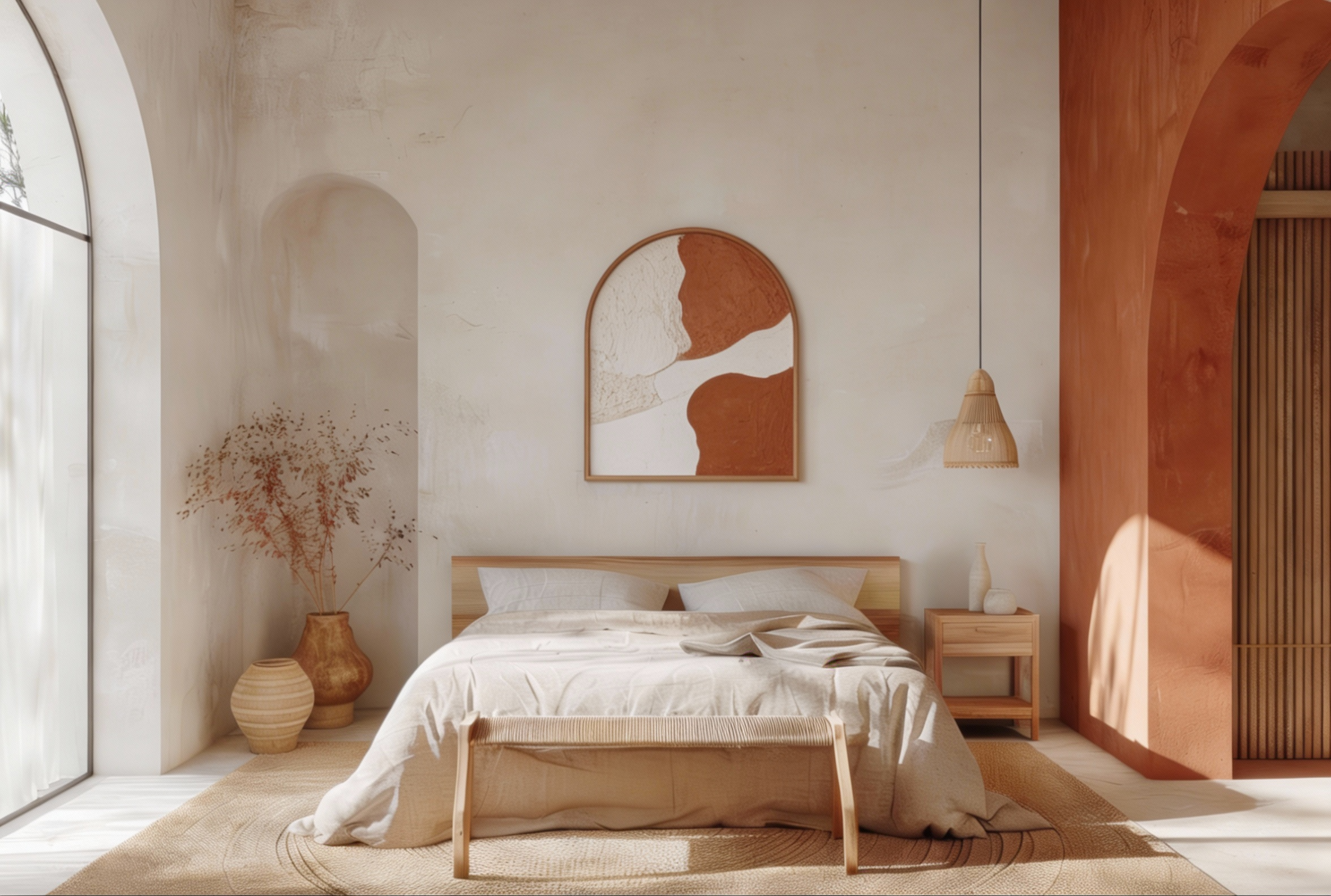
Start With How You Use the Room
Before moving furniture, it’s worth pausing to think about how the room is actually used, rather than how it was originally intended. Some spaces are for slowing down and relaxing, others need to accommodate work, family life, or socialising, and many do all of this at once.
Notice where you naturally sit, how you move through the room, and which areas get used most. When a layout reflects real behaviour, rather than an idealised version of it, the space instantly starts to feel more comfortable and intuitive.
Create Clear, Comfortable Walkways
One of the quickest ways to improve flow is to look at how easily you can move through a room. Furniture that forces you to weave around it, squeeze past corners, or constantly adjust your route can create a sense of visual and physical tension.

Aim for walkways that feel open and obvious, especially between doorways, seating areas, and windows. When movement feels natural and unobstructed, the whole room becomes more restful, even if nothing else has changed.
Balance the Weight of the Space
Every piece of furniture carries visual weight. Larger items naturally draw more attention, while lighter or more open pieces recede into the background. When too much weight sits on one side of a room, the space can feel heavy or off-balance.
Spreading larger pieces more evenly, and mixing solid furniture with lighter elements, helps create a sense of calm and balance. This doesn’t need to be symmetrical; it simply needs to feel visually settled.
Gently Zone the Room
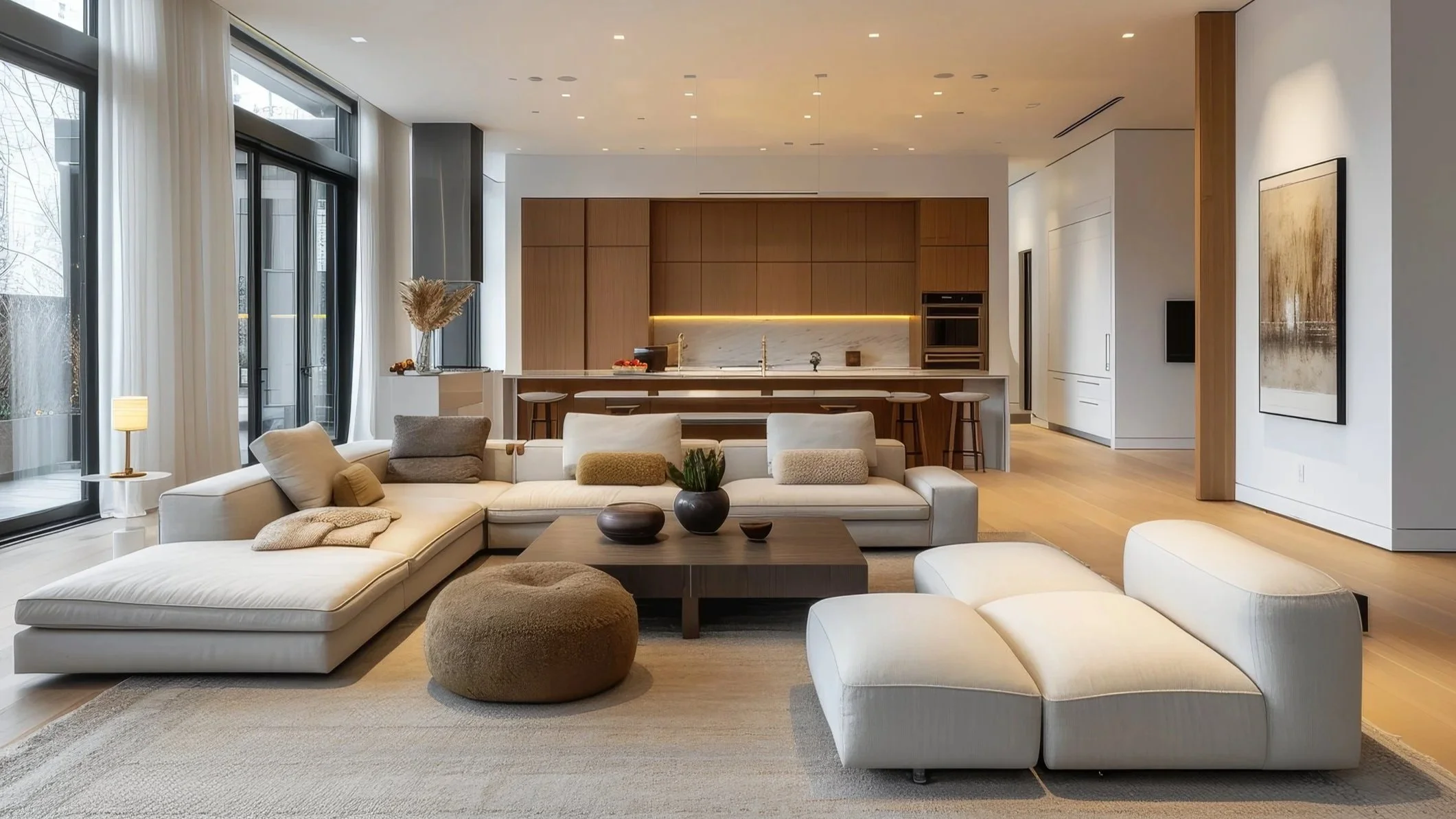
Zoning helps give a room structure, even in smaller spaces. Instead of pushing everything to the walls, think about grouping furniture to support different activities. A reading chair with a lamp can create a quiet corner, while seating arranged around a rug encourages conversation.
These zones don’t need to be rigid or divided. Subtle cues like furniture placement, lighting, and texture are often enough to make each area feel purposeful and easy to use.
Edit Before Buying Anything New
Before investing in new furniture, take time to edit what’s already there. Removing one unnecessary piece can often improve flow more than adding something new.
If an item no longer serves the room or how you live in it, letting it go can create space for the room to breathe. This step alone often reveals the layout the room was meant to have all along.
A Fresh Start Without the Overwhelm
A new year doesn’t require a full redesign to feel like a reset. Thoughtful changes to layout can make a home feel lighter, calmer, and more supportive of everyday life.
By focusing on flow, balance, and how a room truly functions, you can transform a space using what you already own, and make more confident decisions if you choose to update it later.
If you’re finding it hard to see the best layout for your own space, you’re not alone. Sometimes a fresh perspective is all it takes to unlock better flow and make a room feel easier to live in.
Whether you’re looking for guidance on layout, help refining what you already have, or support with a more considered redesign, I offer flexible interior design services tailored to your home and how you live. You can explore the different ways to work together, and book a consultation, via the link below. Get in touch with me here to discuss how I can help you.