
Space planning basics to help the flow of your home
If a room feels awkward, the layout is usually the reason.
When a space doesn’t quite feel right, it’s easy to assume you need new furniture or a full redesign. But more often than not, it’s not what you have, it’s where it’s placed.
Good space planning is what makes a home feel easy to live in. It’s the difference between a room that looks nice but feels slightly off, and one that just works without you having to think about it.
Here are a few simple ways to improve the flow of your home.
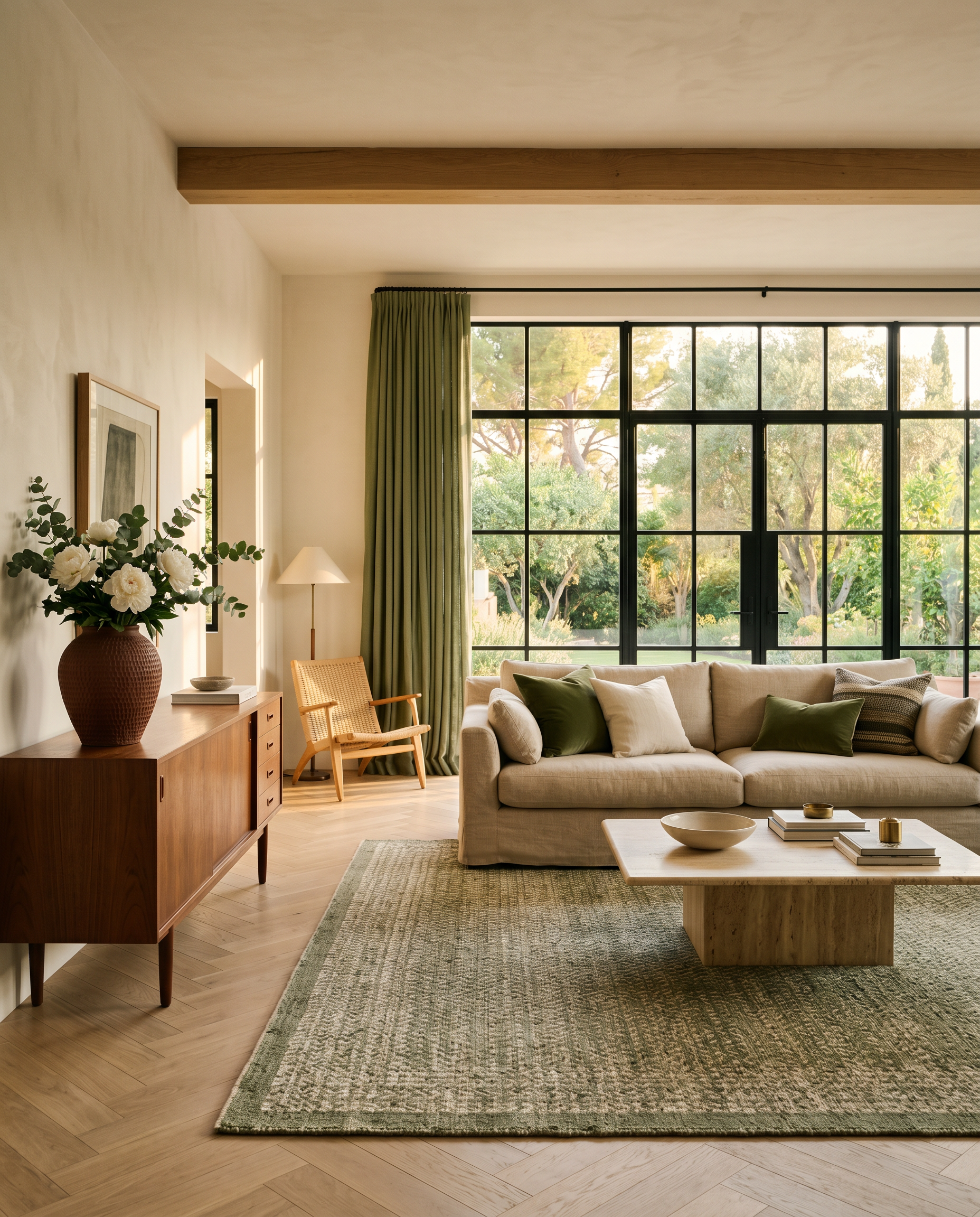
1. Start with how you move through the room
Before thinking about styling, think about movement.
Where do you naturally walk? What paths do you take without even realising?
You want these heavy traffic routes to feel clear and uninterrupted. If you’re constantly stepping around furniture or squeezing past something, it will always feel slightly uncomfortable, even if you can’t quite put your finger on why.
A good rule is to leave enough space for easy movement between key areas, especially doorways, seating, and access points.
2. Avoid pushing everything against the walls
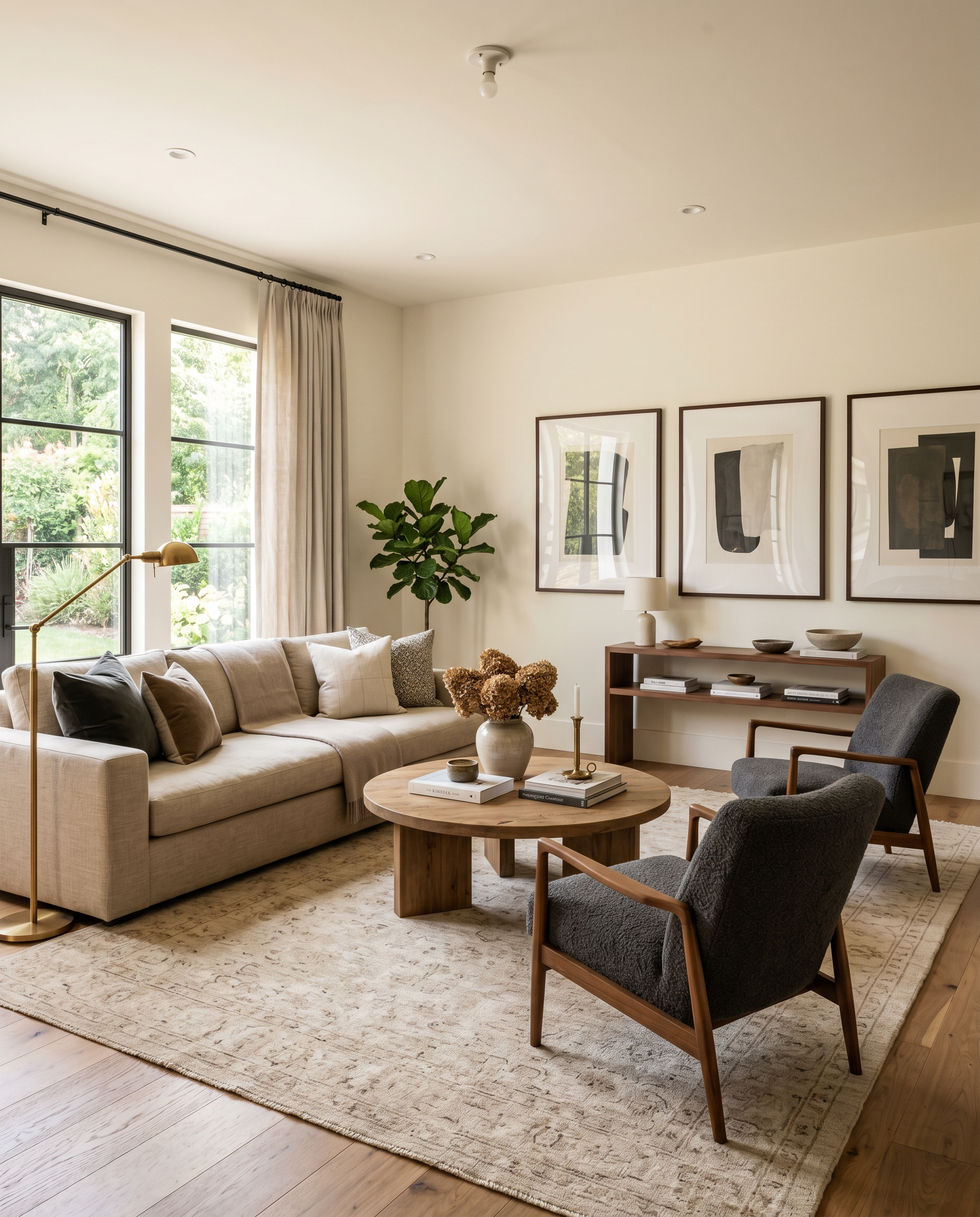
It’s a really common instinct, especially in smaller rooms, to push all the furniture outwards to try and create more space.
But this can actually make a room feel disconnected.
Pulling key pieces, like a sofa or armchairs, slightly away from the walls helps create a more balanced layout. It brings everything together and makes the space feel more intentional.
Even a small shift can make a noticeable difference.
3. Create clear zones within the room
Think about how the space is used.
A living room, for example, might need an area for relaxing, somewhere for conversation, maybe even a small workspace or reading corner.
Rather than having everything floating without purpose, try grouping furniture to reflect these uses. A rug can help anchor a seating area, while lighting can define a quieter corner.
This gives the room structure without making it feel rigid.
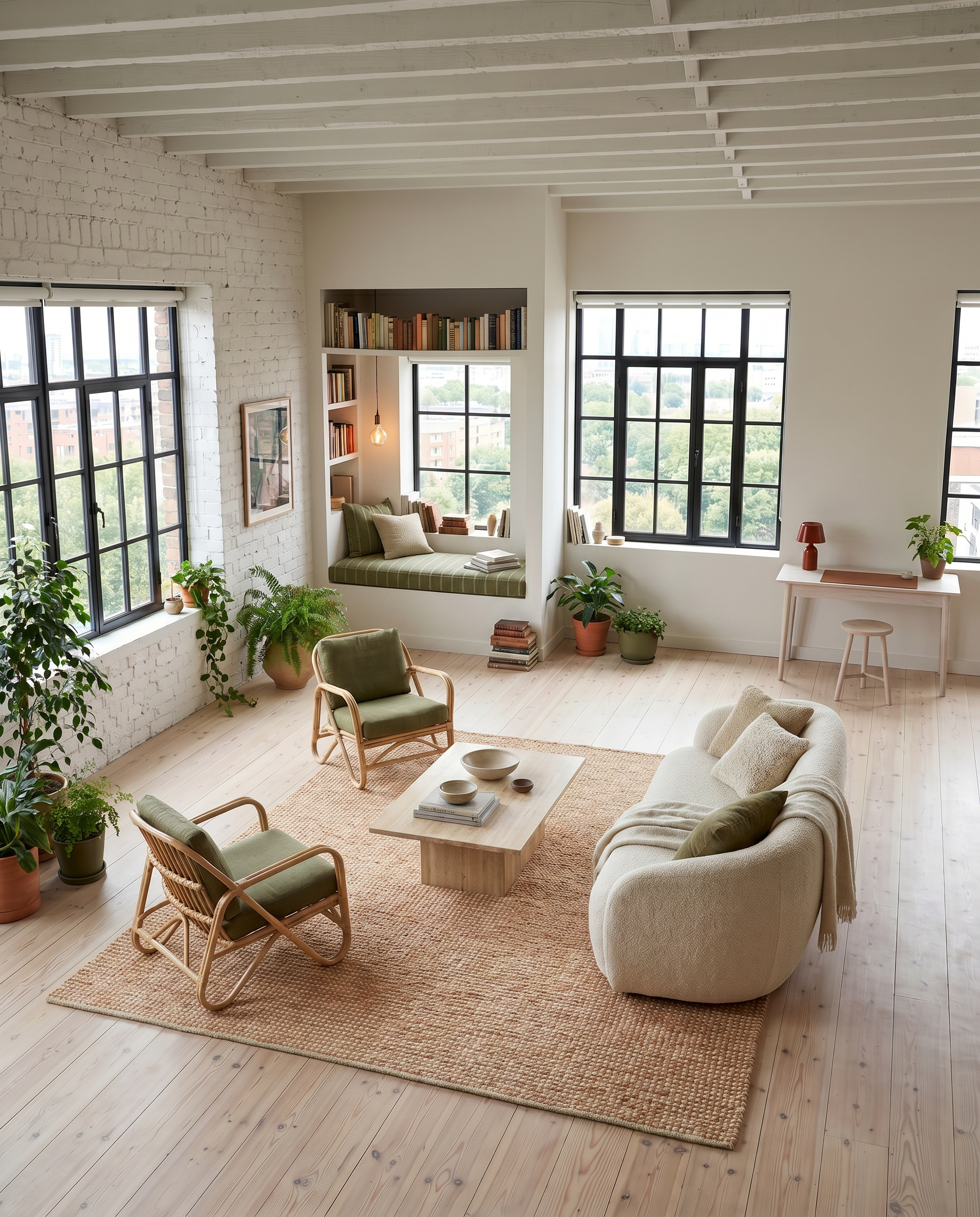
4. Let the room breathe
It’s tempting to fill every gap, but empty space is just as important as the furniture itself.
Allowing space around key pieces helps them stand out and makes the whole room feel calmer and more considered.
If a room feels heavy or cluttered, it’s often not about removing everything, just editing slightly and giving things more room.
5. Think about balance, not symmetry
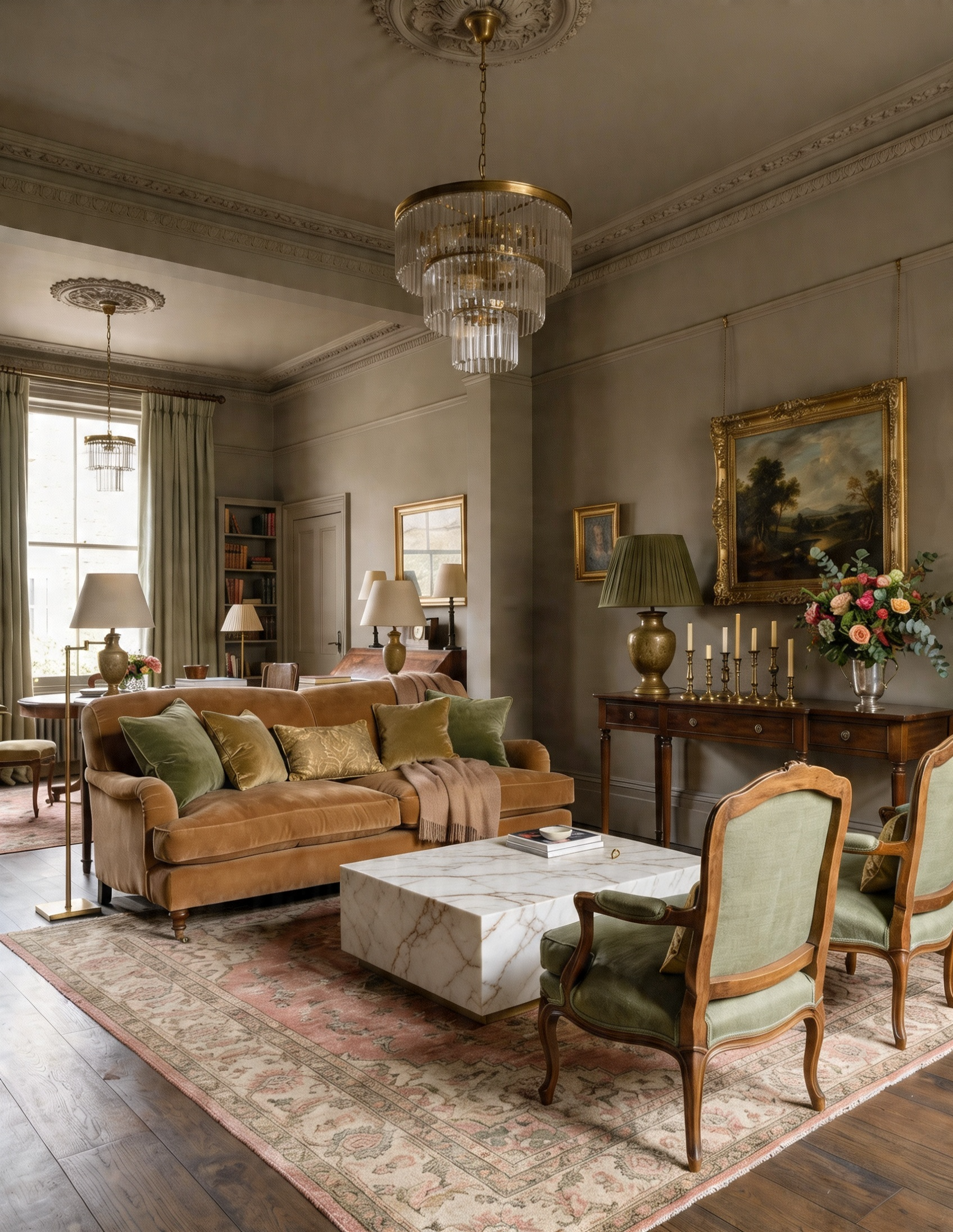
Not everything needs to match or sit perfectly opposite.
Instead, focus on visual balance. This might mean pairing a larger piece of furniture with something lighter, or balancing height and shape across the room.
It creates a space that feels relaxed but still well put together.
Final thoughts
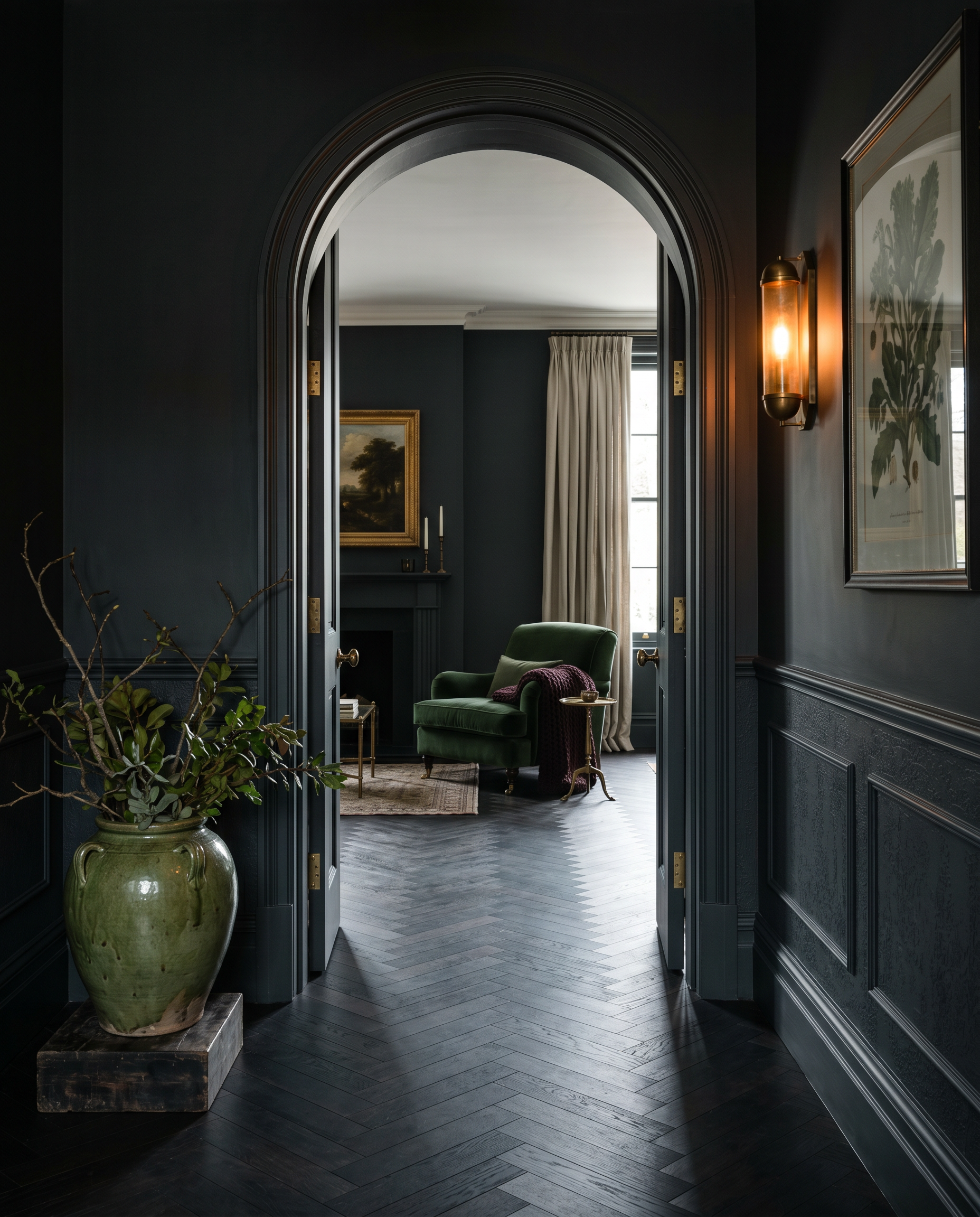
You don’t always need to buy something new to improve a space.
Sometimes, simply rethinking the layout is enough to completely change how a room feels and functions.
If your home feels a little awkward at the moment, try moving a few key pieces and see what shifts. You might be surprised how much of a difference it makes.
And if you’d like help creating a layout that truly works for your space and how you live, I’d be happy to help.