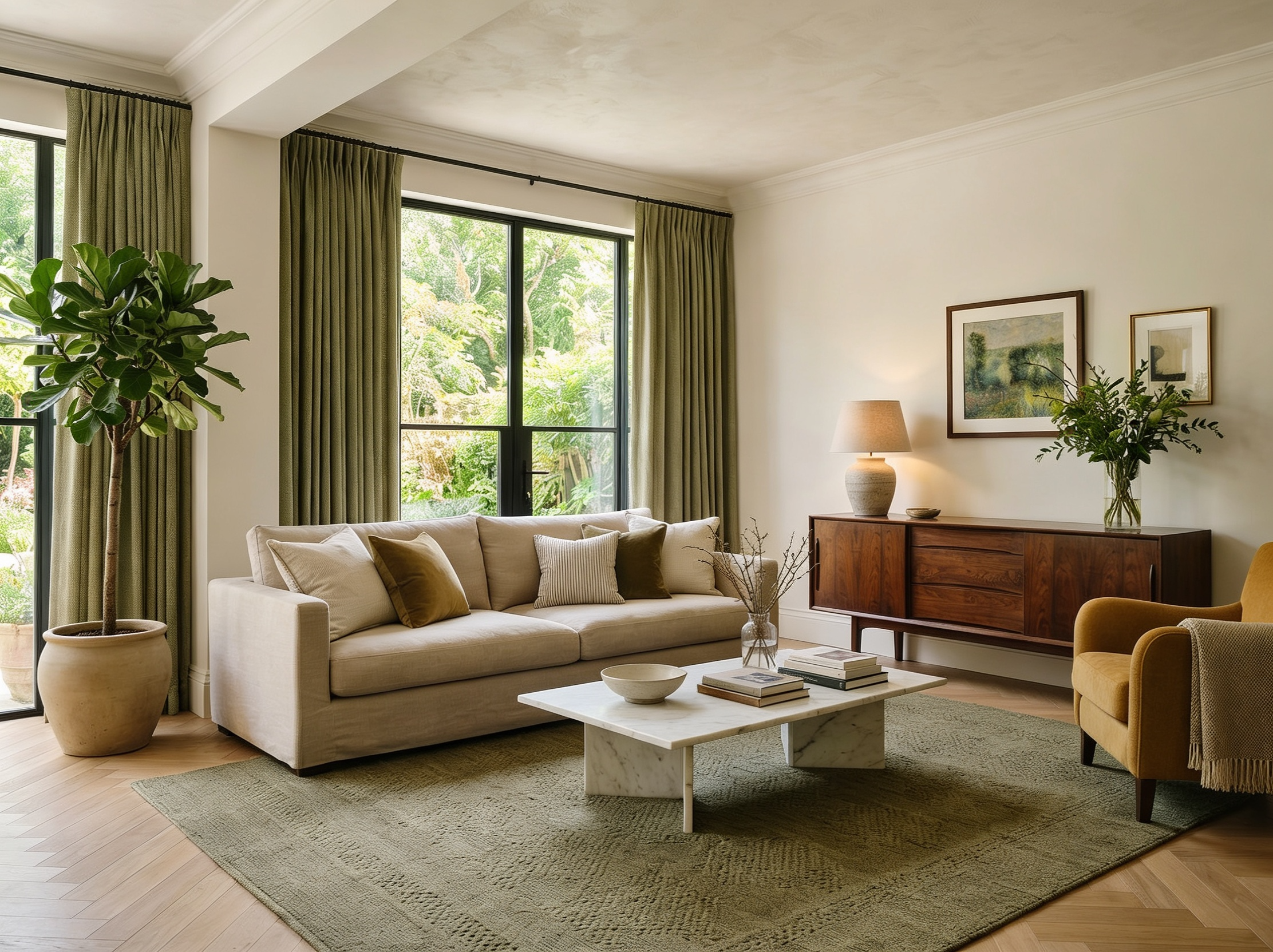
Why a Beautiful Room Still Needs to Work in Real Life
A room can look beautiful in photographs, but still feel uncomfortable to live in.
That might sound strange, especially when so much of interior design is judged visually. We are used to seeing perfect images of kitchens, living rooms and bedrooms, styled beautifully and photographed in the best light. But real homes have to do more than look good for a picture.
They need to support everyday life.
They need to feel comfortable, practical and easy to use. They need to work for the people living in them, not just impress for a moment.
This is something I have been thinking about even more recently, after attending a virtual talk on room acoustics in design. It was such an interesting reminder that some of the most important parts of a room are not always the most obvious.
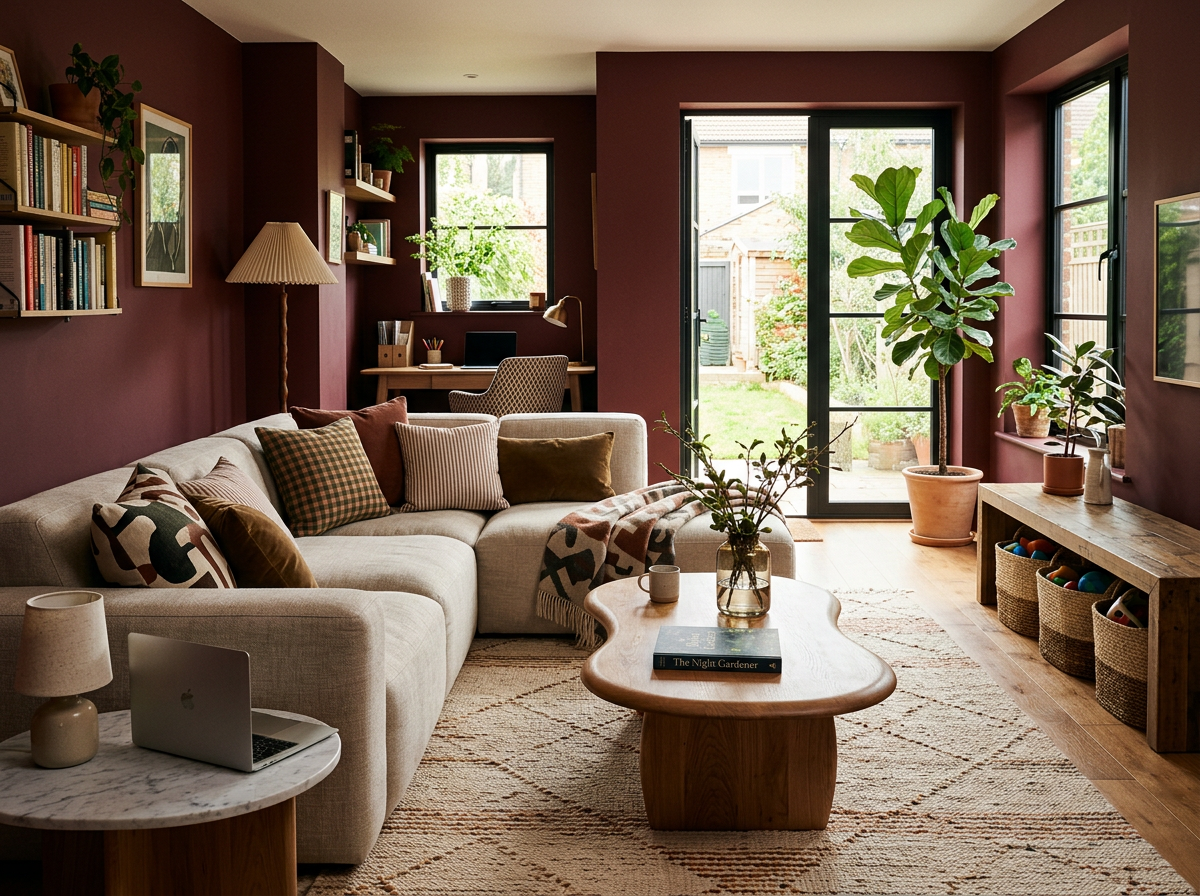
A beautiful room can still feel wrong
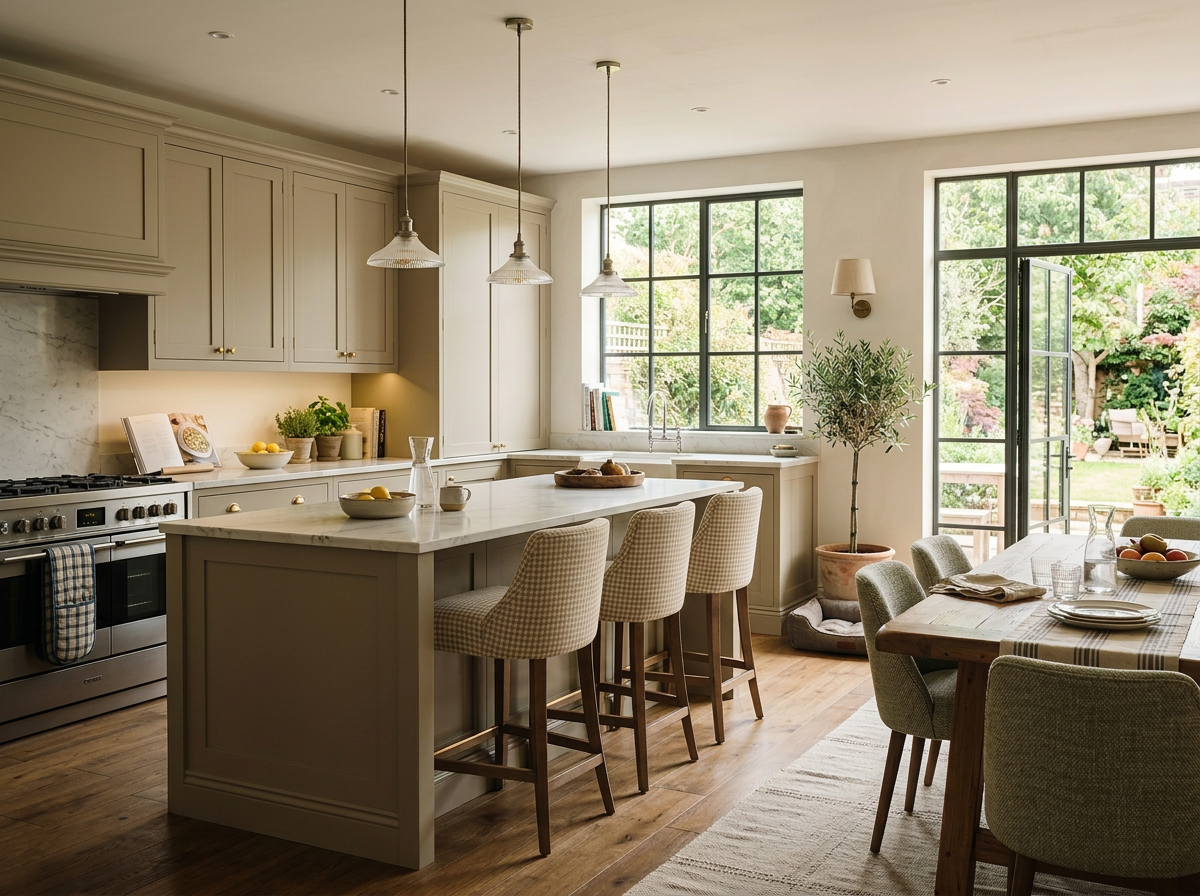
Imagine investing thousands into a beautiful new kitchen.
You have chosen the worktops, the cabinetry, the flooring, the lighting and the finishing touches. Visually, everything looks exactly as you hoped it would.
But then you host your first dinner party.
The room echoes. Voices bounce off every hard surface. Everyone talks a little louder to be heard, the space starts to feel noisy, and the relaxed atmosphere you imagined just doesn’t happen.
The kitchen may still look beautiful, but the experience of using it feels uncomfortable.
This is why good design has to consider more than appearance.
In many modern homes, especially open-plan spaces, there are lots of hard surfaces. Stone, glass, tiles, large windows, cabinetry and hard flooring can all be beautiful, but they can also affect how sound moves around a room.
When this is thought about early, it can often be dealt with in a much more subtle way. Softer sound absorbing materials, window treatments, upholstery, rugs, wall finishes and even carefully considered layouts can all help a space feel more balanced.
But when it is left until the end, it can feel much harder to fix without compromising the look of the room.
The hidden details matter
Room acoustics are just one example.
There are so many details in a home that can affect how a space feels day to day.
Lighting is another one. A room can be beautifully decorated, but if the lighting is too harsh, too flat or not flexible enough, it can completely change the atmosphere.
The same goes for layout. A room might have lovely furniture, but if the flow is awkward, it can make everyday movement feel frustrating.
Storage matters too. Without enough considered storage, even the most beautiful room can quickly feel cluttered or difficult to maintain.
Then there are materials. Some finishes may look stunning, but they might not suit the way a family actually lives. A home with children, pets, regular guests or busy routines needs different practical considerations to a space that is used more gently.
It is also worth thinking about what you keep, not just what you replace.
A room where everything is brand new can sometimes feel a little too perfect or flat. Older, vintage or sentimental pieces can bring soul, softness and a sense of life into a space. They help a room feel collected rather than simply completed.
That might be an inherited chair, an antique mirror, a well-loved timber table, original artwork, or a smaller piece that carries a memory. These details add character and help a home feel layered, personal and lived in.
This does not mean choosing practicality over beauty.
It means designing with both in mind from the beginning.
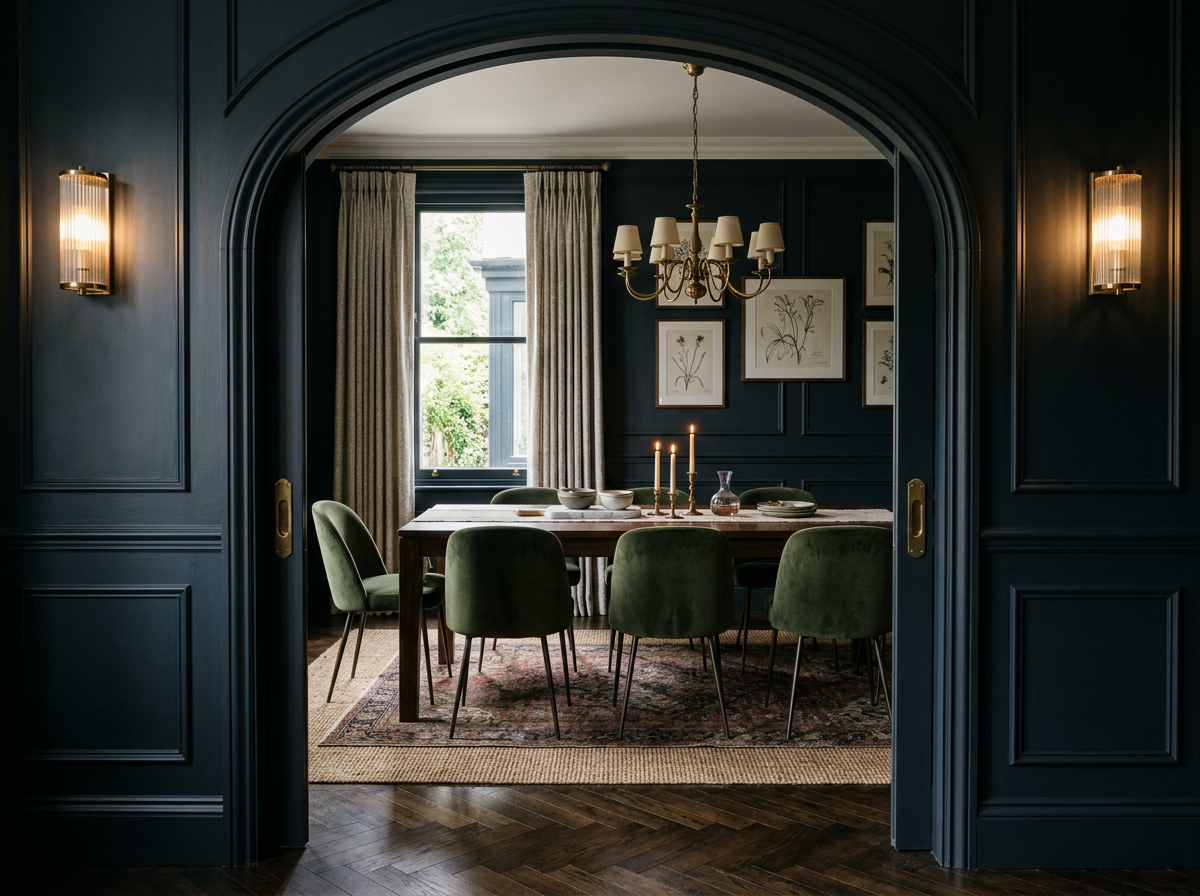
A home should support how you live
One of the most important parts of interior design is understanding how a space will actually be used.
How do you move through the room?
Where do you naturally sit?
What time of day do you use the space most?
Do you entertain often?
Do you need calm at the end of the day?
Are there children, pets, work routines or hobbies to think about?
These questions matter because they shape the design in a much more personal way.
A kitchen for a family who love hosting needs to be planned differently to a kitchen for someone who wants a quiet, pared-back space for slow mornings and simple routines. A living room for young children needs to feel beautiful, but also relaxed enough to be lived in. A bedroom should not just look peaceful, it should feel restful when you are actually in it.
When a design begins with real life, the result feels more natural. It feels more comfortable. It feels like it belongs to the people who live there.
Beauty is only one part of good design
Of course, how a space looks matters.
The colours, textures, materials, furniture and finishing touches all help create the feeling of a room. They are part of what makes a home personal and enjoyable to be in.
But beauty alone is not enough.
A room also needs to feel comfortable, practical and natural to use. The lighting should support different times of day. The layout should allow people to move through the space easily. The materials should suit the way the home is lived in, not just how it looks when everything is perfectly styled.
This is where thoughtful design becomes so important. It looks at the whole picture, the visible details and the quieter decisions behind them.
Many of these decisions are easier to consider early in the design process, especially during renovations, extensions or new-build projects. When lighting, acoustics, storage, furniture placement and materials are planned together, the room is much more likely to feel considered and cohesive.
It can also help avoid costly changes later. It is far easier to think about lighting positions, acoustic comfort or storage before the room is finished, rather than trying to fix those details afterwards.
These decisions may not always be the most exciting part of a project, but they are often the ones that make the biggest difference to everyday life.
The best interiors feel effortless
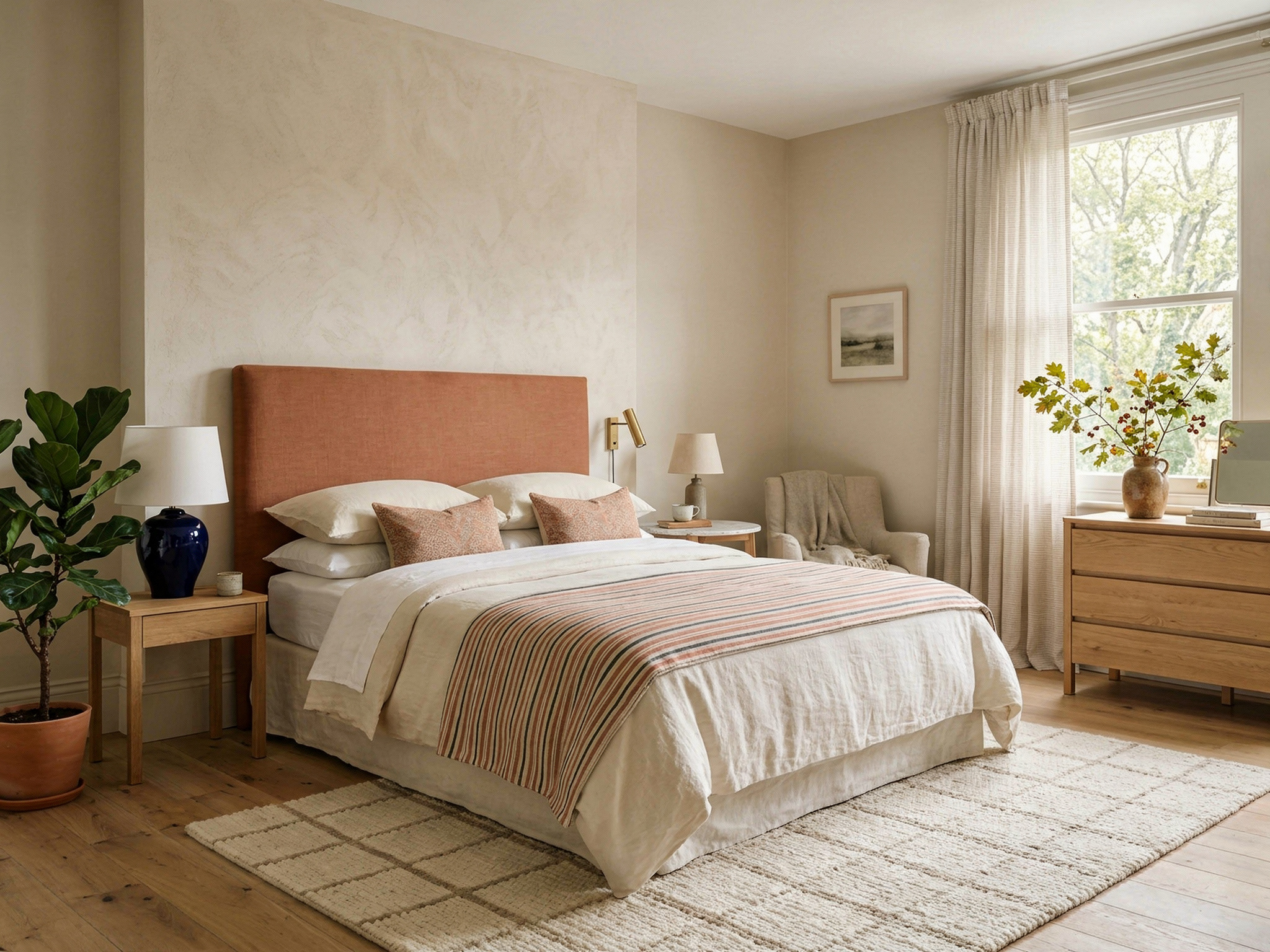
When a room is designed well, you may not notice every individual decision straight away.
You simply feel that the room works.
It feels easy to use, comfortable to sit in and right for the way you live. It might feel calm, warm, sociable or restful, depending on what the space needs to do.
That effortless feeling usually comes from a lot of careful thought.
It is not just about choosing beautiful new pieces. It is about understanding how all the details work together, including what should be added, what should be softened, and what should be kept.
Designing for real life
For me, interior design should always bring together beauty and function.
A room should reflect your style and personality, but it should also support your lifestyle. It should feel considered, practical and enjoyable to use.
That is why I believe the hidden details matter just as much as the visible ones.
Because a beautiful room may catch your eye, but a well-designed room changes how you feel when you live in it.
And that is where the real value of design lies.